I wanted to be a pilot since I was 7. I was told it wasn’t for women, that it was only for the smartest people, and that I didn’t stand a chance. So I let it go. And then, at 32, a temporary job at the Amsterdam airport brought the dream back, and this time I didn’t let anyone tell me what I’m capable of.
This is the story of how I got there, and of the first step I took. The road itself, all the way to the license, I tell in the next post.
I got back from Hawaii feeling lost
After eight months of traveling Australia and Hawaii I came home, and I felt lost. Very. I didn’t know what the next step was.
I had a resume ready, and I just couldn’t bring myself to send it anywhere. I didn’t want to go back to the same thing and keep working in sales. I was so done with it.
So I started looking at jobs with relocation, or just with housing abroad. I realized I didn’t want to stay home right now. I still wanted to be on the road and figure out what was going on in the world.
A temporary job sent me to Amsterdam
While I was searching, I came across, totally by chance, a temporary six-month job with an airline. A staffing agency was hiring people just for the summer season, to back up the people who work there all year. It sounded cool to me, so I sent my resume, and they got back to me.
I was 31 at the time, almost 32. On assessment day most of the people were younger than me. Like, what does that mean? That I’m having a quarter-life crisis? Isn’t that supposed to happen at 40? But I honestly didn’t care. I kept going through the screening, got accepted, and went to a training course of about a week.
And then came the placement: Amsterdam. Honestly? I was hoping for something in Asia. But my European passport helped them place me in a European country, so I wouldn’t have to leave after three months and could work straight through. And that was actually nice. If it’s going to be Europe, then there.
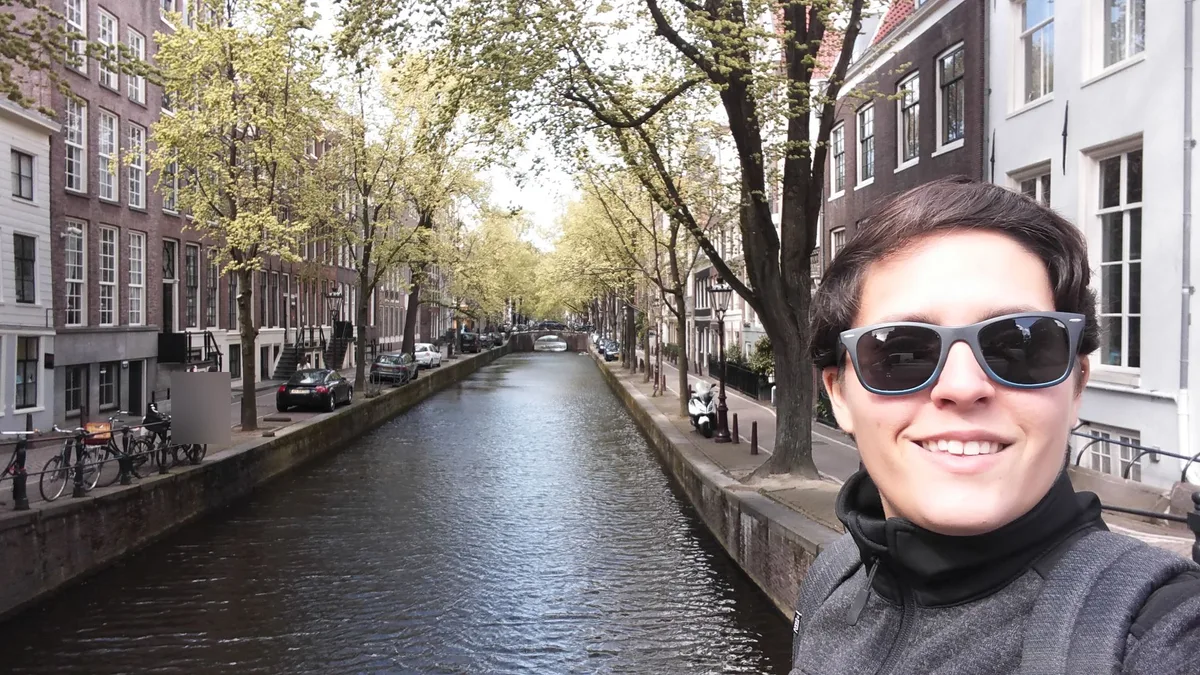
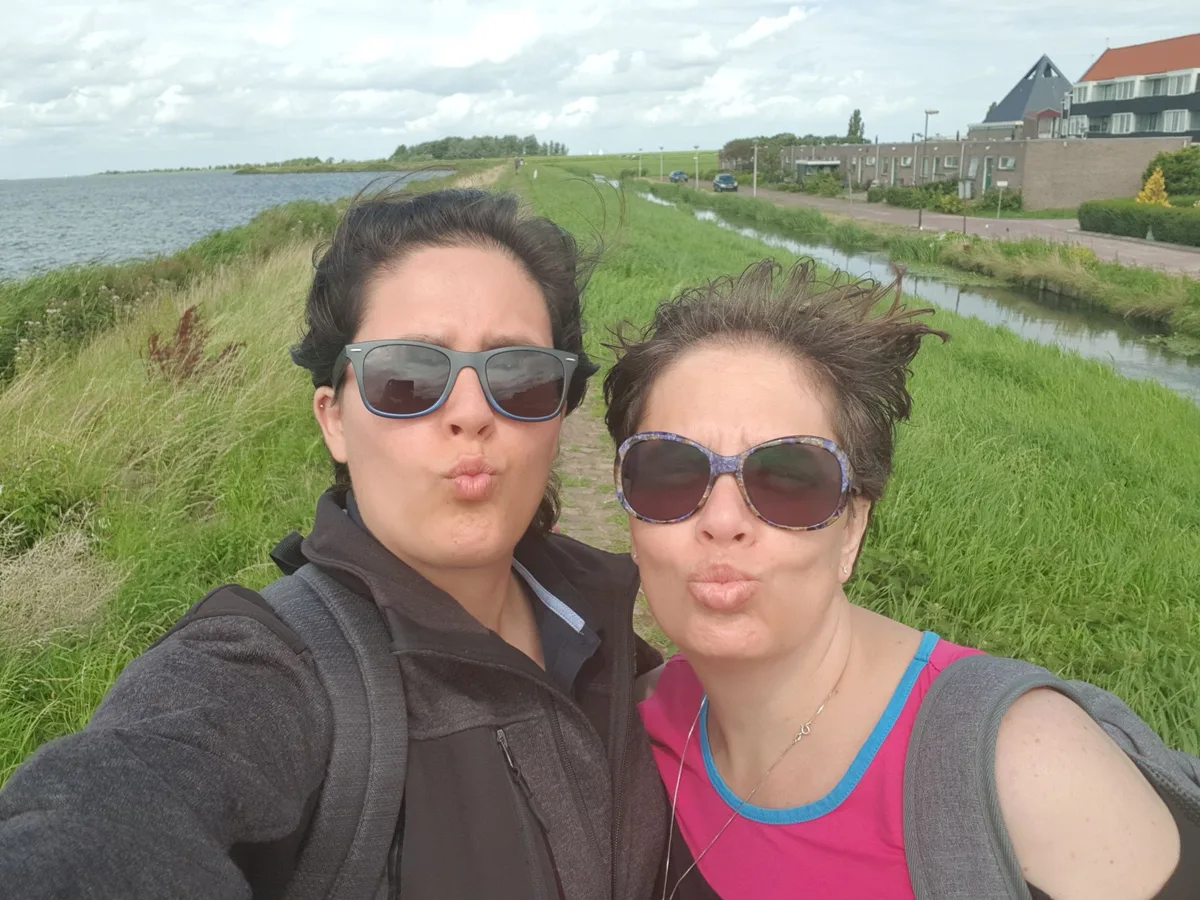
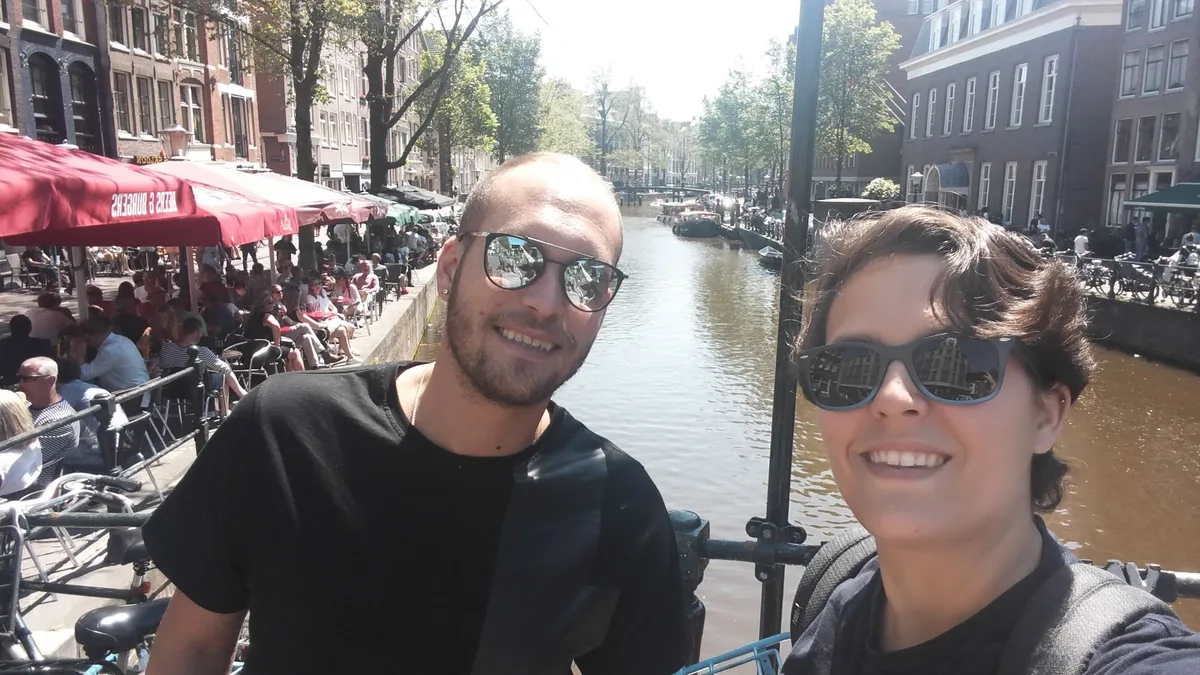
In April, after I’d already turned 32, I flew to Amsterdam and started working. I met gorgeous people, traveled all over the Netherlands, and really had fun. My mom came to visit for a few days and we did a road trip, and my brother came at another time. I really enjoyed being the one in the family who lives abroad.
And in between? Concerts. I saw Robbie Williams, and Bruno Mars, who turned out to be one of those dreams I didn’t know I had. And there was Linkin Park, back before their lead singer passed away, with SUM 41 opening, who took me straight back to my childhood.
How the dream of becoming a pilot woke up
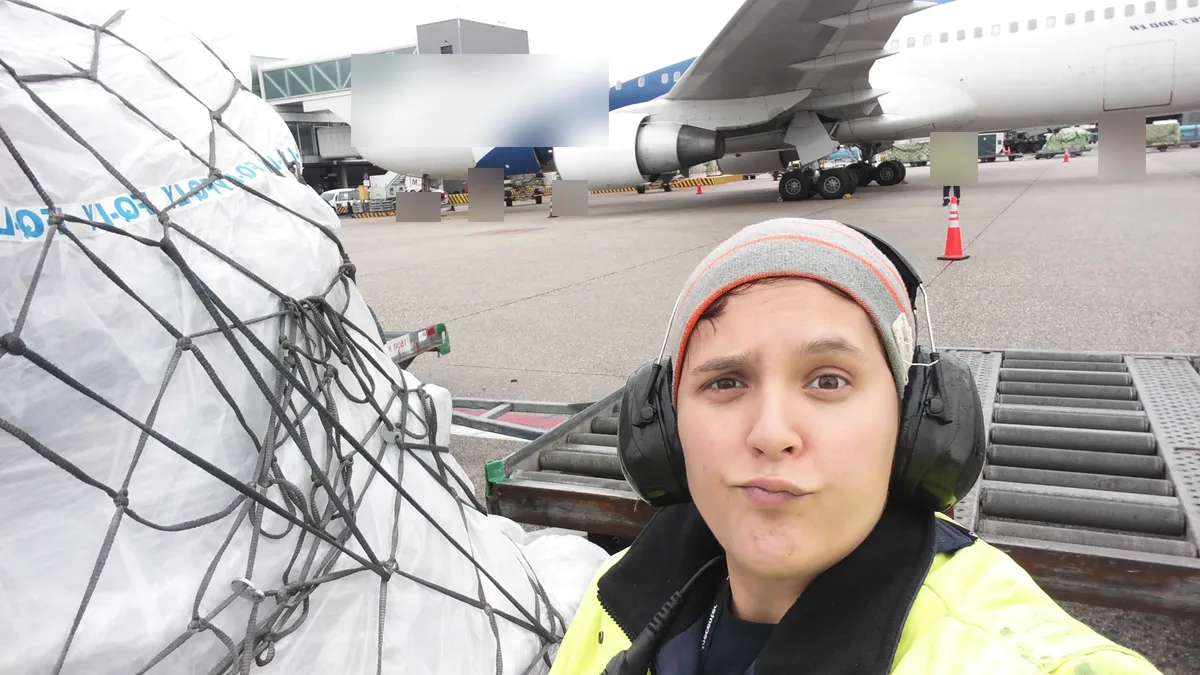
All day long I was at the airport, surrounded by flight crews and pilots. And little by little I started talking to them more. I saw male pilots, and I saw female pilots. Women. And the old dream, the one from age 7, suddenly came back to life.
I remembered the little girl, and later the teenager, who couldn’t even get into pilot selection because she was one point short on the profile score. I remembered everyone who told me it wasn’t for women, that there was no way I’d make it, and that it was only for the smartest people. Back then I felt not good enough, and I let it go. I moved on with my life.
But now I was standing in front of pilots, talking to them, and I realized something simple: if they can, there’s no reason I can’t.
Why should anyone get to decide how smart or successful I am? Whether I have talent or not? It’s all about learning and putting in the work. And besides, times have completely changed. What I was once told about women in aviation just isn’t true today.
Learn to fly at home, in the US or in Europe?
While I was still in Amsterdam, I joined a pilots’ group on Facebook and started reading what people were writing. I quickly realized there were three ways to go, and each one had its fans:
- The US: a lot of people recommend it, because it’s very cheap there.
- Europe: some say it’s a strong license, and it’s easier to find work with it, especially with European citizenship. Which I have.
- Home: a lot of people say that if you’ll end up flying where you live, it’s better to do the basics there, in your own language. The airspace where I live is extremely busy: civil aviation, helicopters, gliders, international routes and military traffic, all packed into a small space.
So I decided. My first license, the private one, I’d do at home and in my own language. After that I’d figure out whether I wanted to make it a career or not. (I wrote a separate guide about that dilemma, and about everything I looked into.)
The first step: a discovery flight
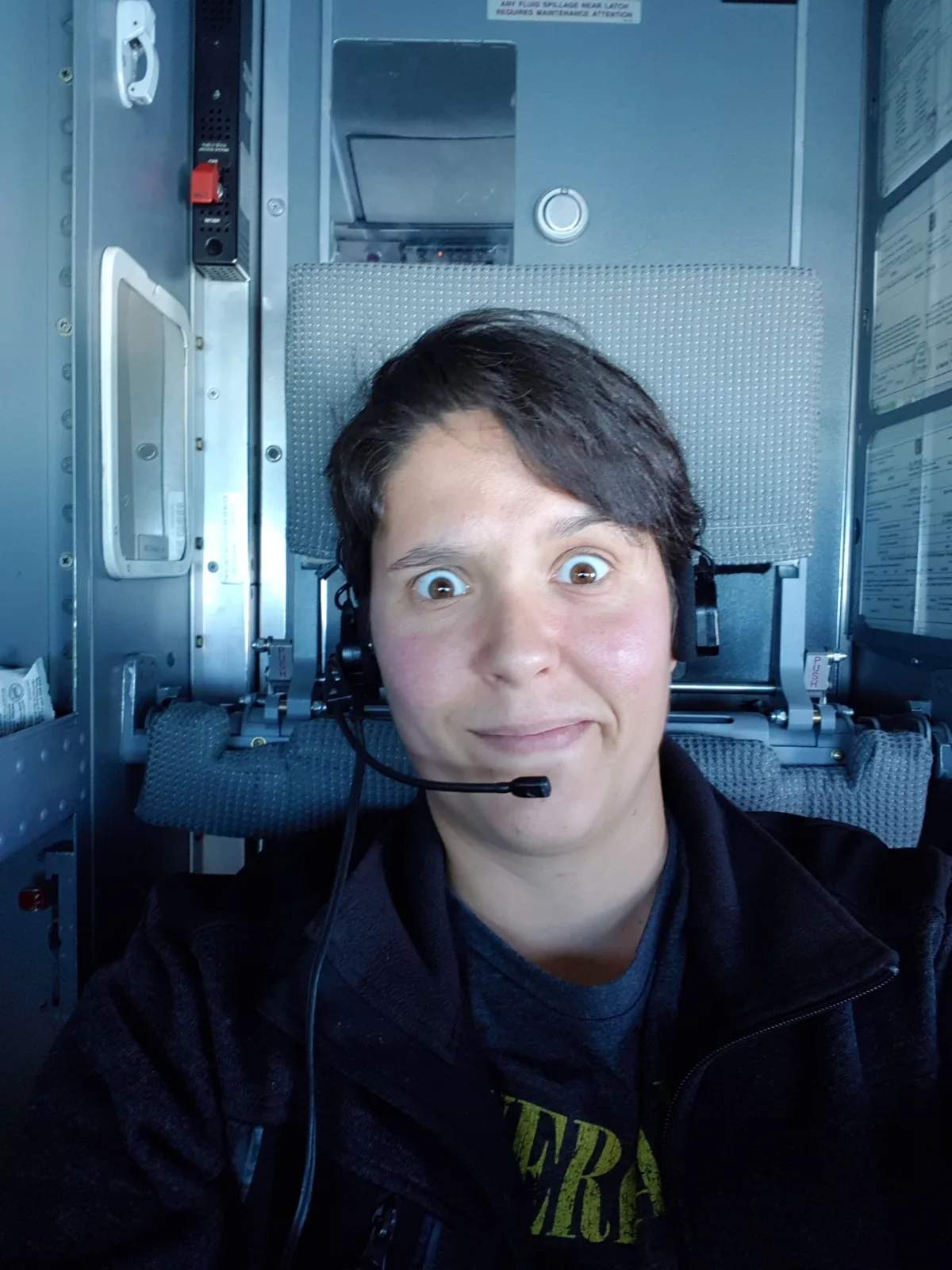
On the flight home from Amsterdam, thanks to my airline job, they let me sit in the cockpit. My first time in a real cockpit.
I got back home in September 2017, and realized that now I had to decide how to pay for all of this. I knew the only way was to go back to working in sales. What can you do, it’s a job with a relatively high income, and that way I could make the dream happen.
But before committing to anything, I had one question: how do I even feel up in the air? Because sometimes a dream looks amazing in your head, and in reality it’s a little less. Maybe I’d fly and realize it wasn’t what I thought at all?
So on September 24, 2017, I did a discovery flight. A trial lesson with an instructor, in a Cessna 152. The same type of plane I later learned on.
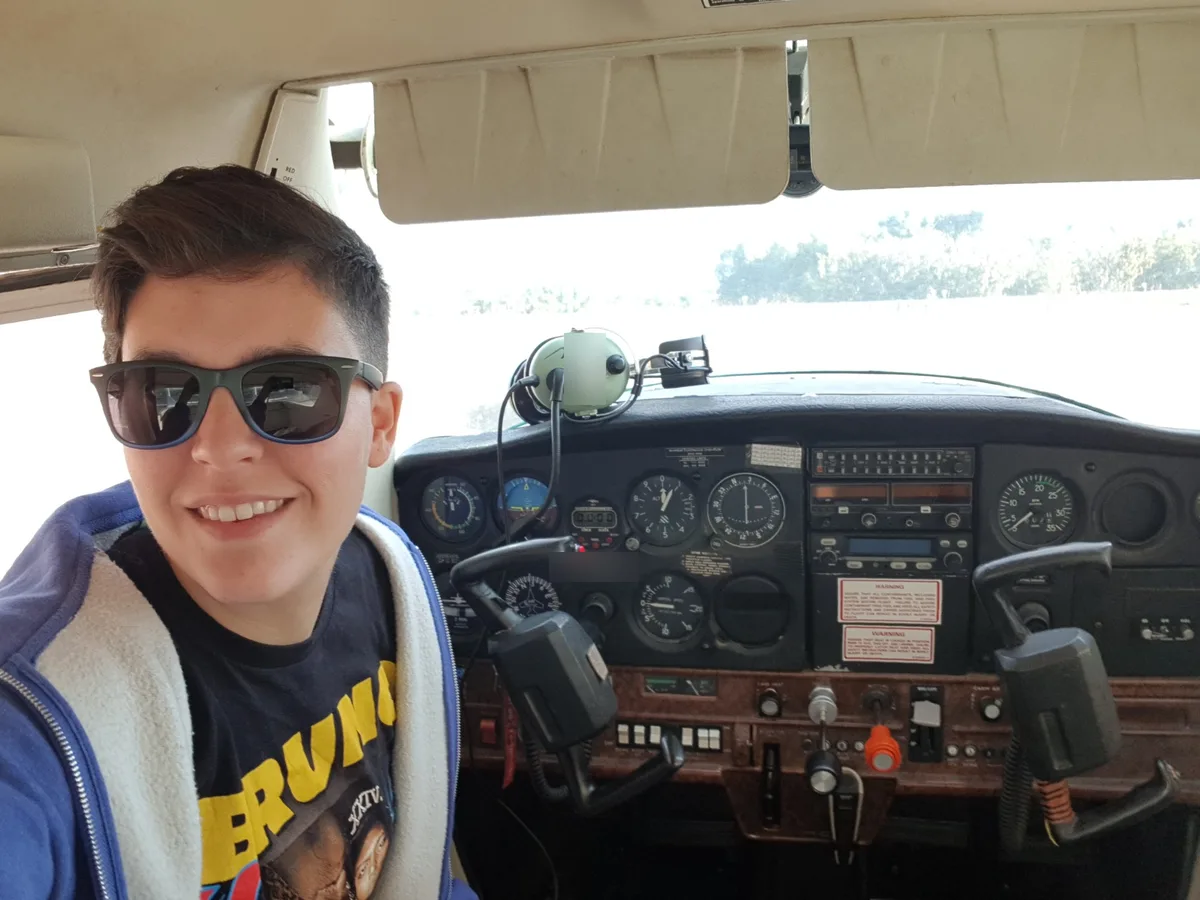
And for me, the exact opposite happened. It was 100 times more than I’d imagined. I sat in the cockpit with a smile I couldn’t wipe off my face, and I couldn’t process that I was actually flying a plane right now. All the years I’d imagined it didn’t come close to what it was really like.
When we landed I had just one question: okay, what now?
Student pilot license: a learner’s permit for the sky
I told the school I wanted to move forward, and we applied for a student pilot license. Without it you can’t train for a pilot’s license at all. It’s like a learner’s permit for driving: it says I’m an approved student pilot. Without it, I’m not allowed to take lessons.
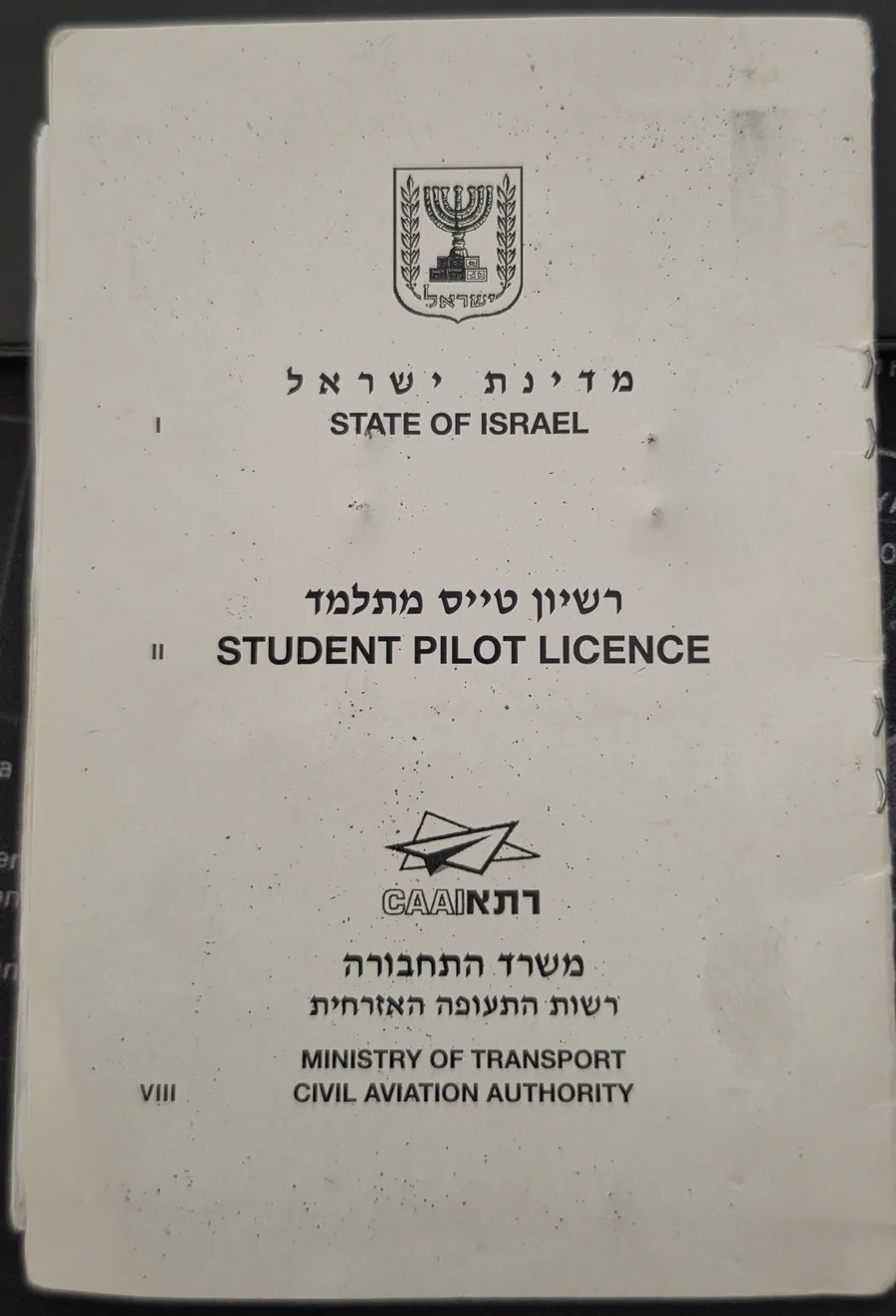
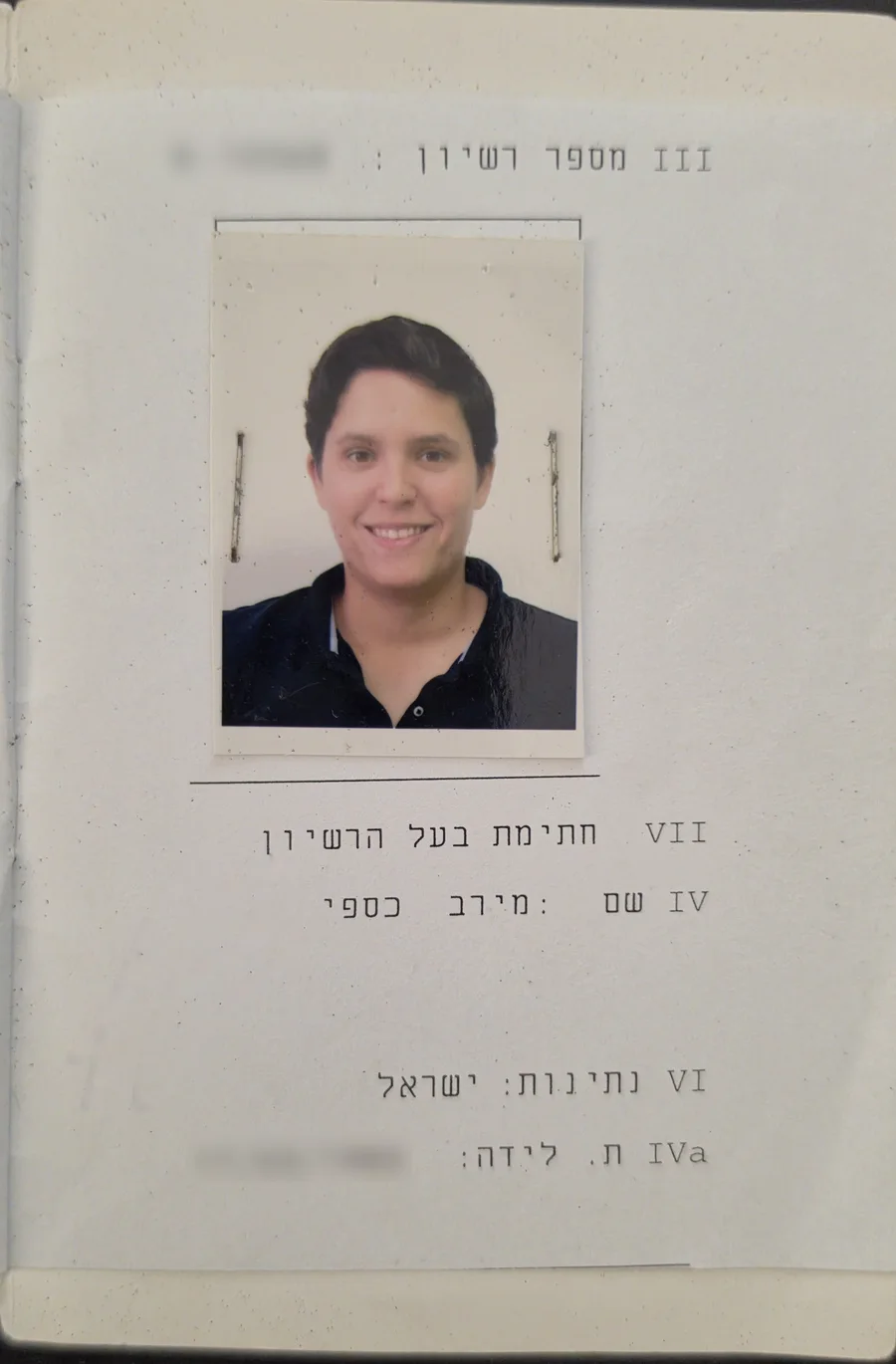
The application goes to the civil aviation authority through the school or an instructor, and along the way there’s a medical exam with an aviation doctor, a criminal background check and a security clearance. You can see all the requirements on the student pilot license application page. And what’s required at the end of the road, for the license itself, you can see on the civil aviation authority’s pilot license application page.
And on November 1, 2017, I actually started training. Officially, I was on my way to becoming a pilot.
My timeline:
| When | What |
|---|---|
| April 2017 | Start working in Amsterdam |
| Summer 2017 | The dream wakes up, and I decide to train at home |
| September 2017 | Back home |
| 24.9.2017 | Discovery flight |
| 1.11.2017 | First official lesson, with a student pilot license |
| 6.1.2020 | Pass the checkride. I’m a pilot |
My tip: before you commit, take a discovery flight. First find out how you feel up in the air. And if anyone ever told you it’s not for you, remember: if I can, anyone can.
What I learned from this time
Feeling lost isn’t a sign that something’s wrong. For me it was the door. If I’d sent my resume to a sales job, I would never have gotten to Amsterdam, I would never have met female pilots, and the dream would have stayed in a drawer.
The dream of becoming a pilot was there the whole time. What changed is that I stopped believing the people who told me I wasn’t good enough.
In the next post I tell the story of the road itself: the instructor who almost made me quit, the instructor who gave me my confidence back, the first solo, and the moment I could finally say “I’m Meirav Caspi, and I’m a pilot.” And if you want to see it, the first episode of the “How I became a pilot” series is waiting on Instagram.
This dream is one of the dreams on my bucket list, and its road is also where the Flight Plan was born: my method for breaking a big dream into small steps.
Q&A
I started with a discovery flight, to check how I feel up in the air. After that you apply, through the school, for a student pilot license, and only with it do you start lessons.
A trial lesson in a small plane with an instructor, where you fly it yourself part of the time. For me, that was the moment I knew there was no going back.
The license that approves you as a student pilot. Without it you’re not allowed to take lessons. According to the civil aviation authority, you need to be at least 16, pass a medical exam with an aviation doctor, and show a criminal background check and a security clearance.
I started at 32. On the airport job assessment day I was one of the oldest, and in flight lessons it didn’t matter at all.
I didn’t have a full high school diploma, and I passed all the theory exams and the checkride. I’m writing a separate guide about the exams themselves.
From November 2017 to January 2020, a little over two years. I worked full time and flew about once a week, at seven in the morning.
In the US it’s cheaper, and in Europe the license is considered strong. I chose to train at home and in my own language, because the airspace here is busy and I wanted to learn it from the ground up.